
Where did his legs go?
by Anna Thérèse Witenberg

What is the name of your lost one and what was your relationship?
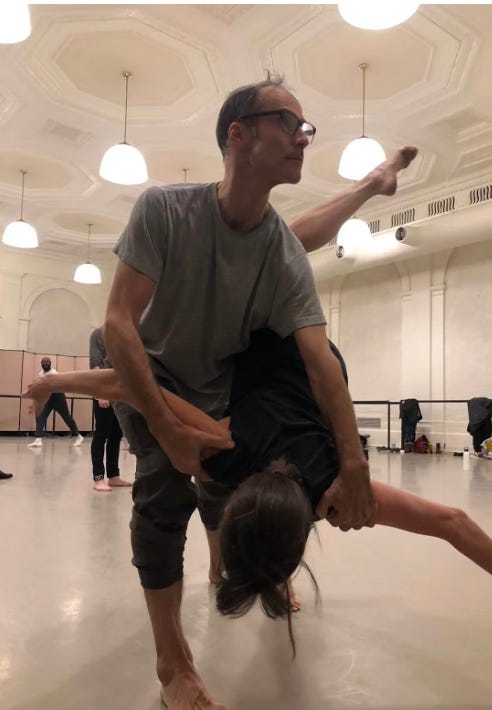
Alan Good, he died at 71 years old. He was one of my dance professors of the Merce Cunningham Technique. Alan Good was a dancer for the Merce Cunningham Company during a really unique era—1978 to 1994– in which Merce had assembled an eccentric group of dancers, very raw individuals who had this carnivorous and bold quality to their dancing; awkward even. With this particular group of dancers, Merce made massive developments in his choreographic ideologies. When he died, Alan was one of the oldest living teachers of the technique in the world.
We did not know each other well outside of the classroom. I was not one of Alan's favorite students. He was most interested in the dancer who had clearly only started dancing in their twenties and was really struggling, or the dancer with the most technical mastery in the room. I was neither of these dancers, and so I always slipped out his purview. Sometimes I felt sad that I wasn’t of more interest to him, and other times I felt grateful just to be sort of invisible so I could study him privately.
Alan was unimaginably generous. He devoured dancing-pushed everything to its extreme. Rhythm, musicality, height, speed. As a teacher, there was no limit to his investment in his students. I will never forget the 30 minutes he spent working with my friend, Josie, after class on the mechanics of her turnout in a tendú.
His class was chaotic and confusing but so much fun. He often taught us the phrasework without clear counts, and then when he demonstrated he would constantly make mistakes, hurling himself in the wrong direction with a giggle and a Whoops! For this reason, his class wasn’t always the most popular and it was often a small group of people attending. But he was the real deal, and all of us who showed up knew it.
What he cared about was DANCING. Dancing big, wild, crazy. I loved watching his legs fly through the air, a count late, full of conviction. His legs had made the decision for him. He pounced on top of his jumps like a tiger, without any sense of preparation. He represented the true essence of Cunningham, stripped of all of its pretenses. Moving through space with intensity and decisiveness.
When did you find out, where were you?
I have collaborated with the Merce Cunningham Trust for a few years now, participating in the restagings of his dances. I was in a workshop led by the Trust’s restaging director, Jen Goggans, in the middle of a rehearsal when I found out. Her phone kept ringing. A few minutes later a friend texted to tell me that Alan had died.
What surprised you about your response?
I was so shocked. I started to scan the studio for him. Hadn’t he just been here? He would often take class when another teacher would be teaching technique. I was pretty sure I had seen him just a month ago. He looked really thin, but I had no idea how sick he had actually been. Apparently he had told very few people how serious his illness was.
I was flooded with a deep longing for his body. I couldn't stop thinking about this body–that I had studied, that I worshiped, that felt so close. When I got home, my boyfriend put my journal in my lap and told me I had to write down everything I remembered about him, before I forgot. I wrote:
Alan wore black capris leggings that ended right above his knee caps. Knees that had bent and straightened at Merce’s command. Long thin legs, slightly bowed. Unusual anatomical shape for a man. Must have had a wide pelvis. Massive feet. Wide toes with white dried skin coating the big toe. The big toe was round and long but also thick, kind of like a barrel shape. Those feet…they had lost some of their luster. High arches that were once the ideal ballet foot, when he pointed them now they only reached a feeble half moon shape. He slammed in and out of fifth position.They would dangle when mid-air. His feet made me feel better about mine, which are shitty for dance. He always wore a white polo shirt of wick athletic material. Always a size too small, clinging to his chest, wiry and thin but sinking into itself with age. He had gotten thinner over the last year, but I never knew he had cancer. He was just here, in the studio.
Where do you think they went? How do you feel about the concept of a legacy?
I couldn't stop thinking about his legs. Where did his legs go? I kept on asking myself. These legs that shaped a legacy of dancing, expressed an ideology of movement and put forth a way of being in the world. His legs belonged to Merce, belonged to me, belonged to every person who sat in the opera house or church basement and looked at them.
I imagined these same legs lying in his hospital bed, feet splayed at the edge, his narrow thighs creasing the white sheets. Did the nurse realize what these legs could once do? I don’t even know if he was buried or cremated. I hope he was buried so that those thigh bones are still somewhere on this planet.
How did you/your family mark the death? Was there a traditional or untraditional ceremony etc and what do you remember most?
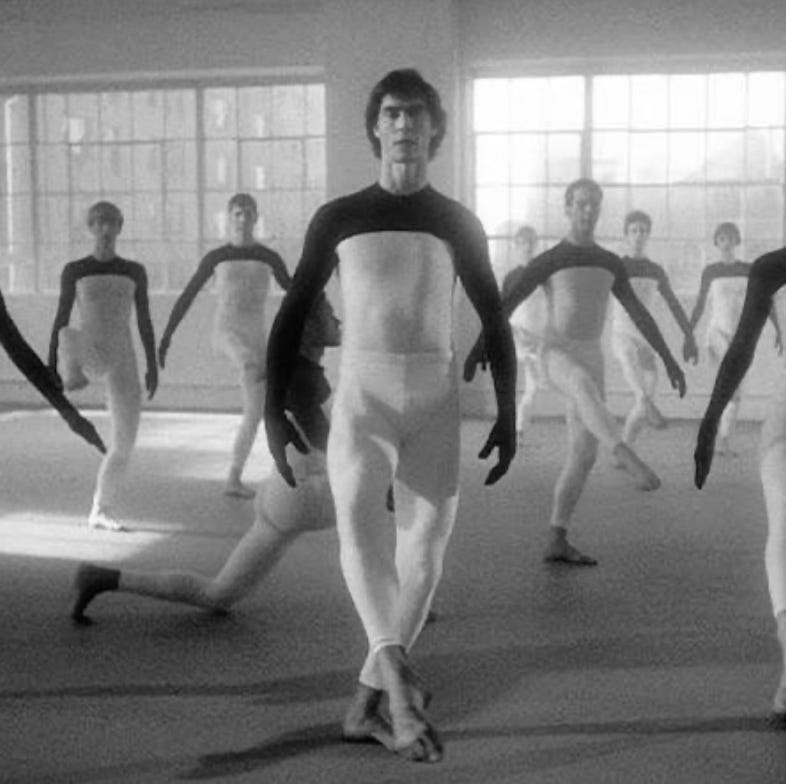
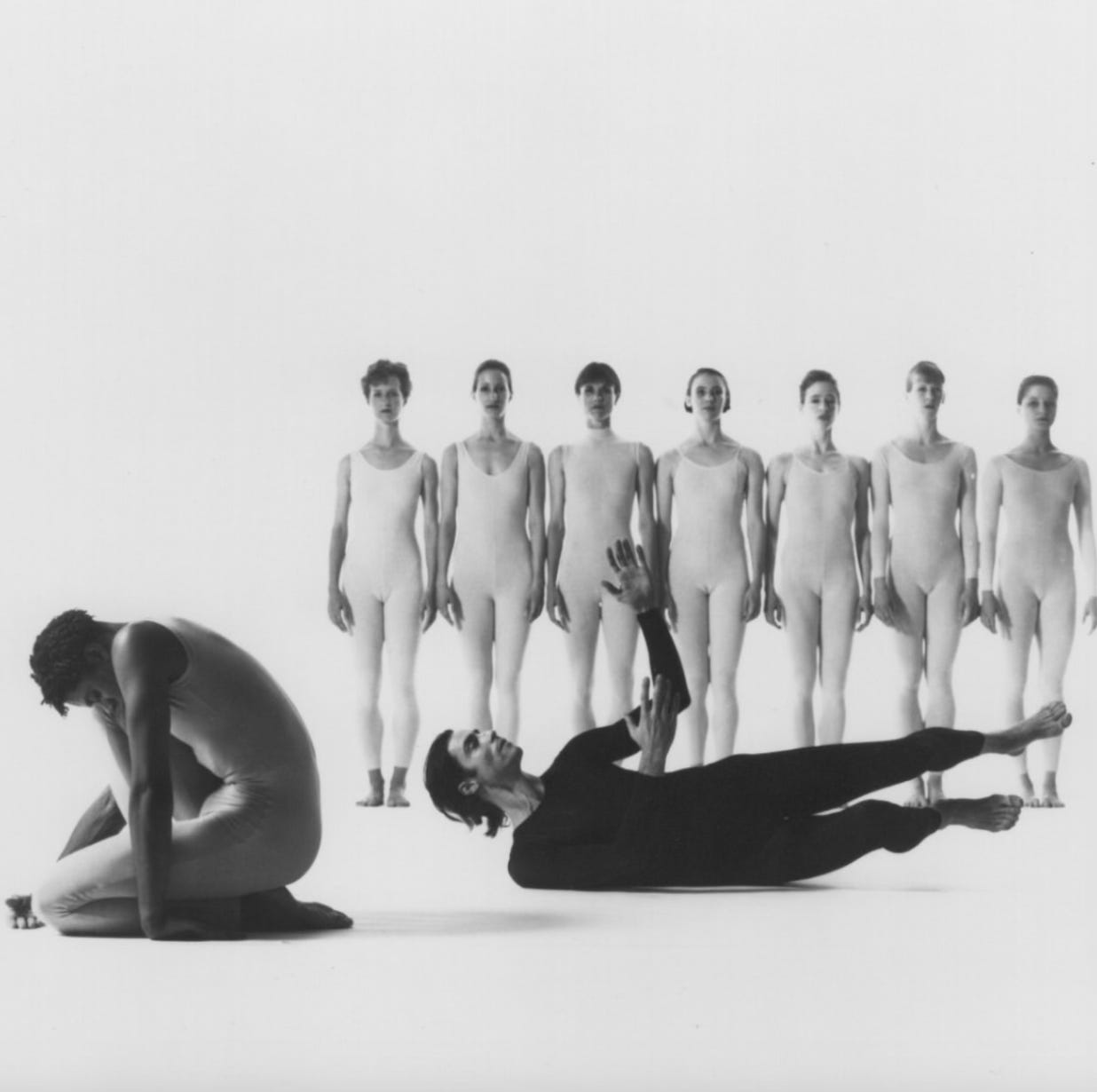
I spent the summer rehearsing and performing two works of Merce Cunningham’s. Pond Way from 1998, and Winterbranch, from 1964. This restaging process entails studying with the former company members, who learned their roles from a previous generation. The dances are passed down like oral histories; we are verbally instructed by the former company members, we study illegibly scribbled notes and blurry videos.
I wanted to know if Alan had ever danced in these particular pieces, but I wasn’t able to figure that out (the archive is not widely accessible even to dancers who have been selected to learn the choreography).
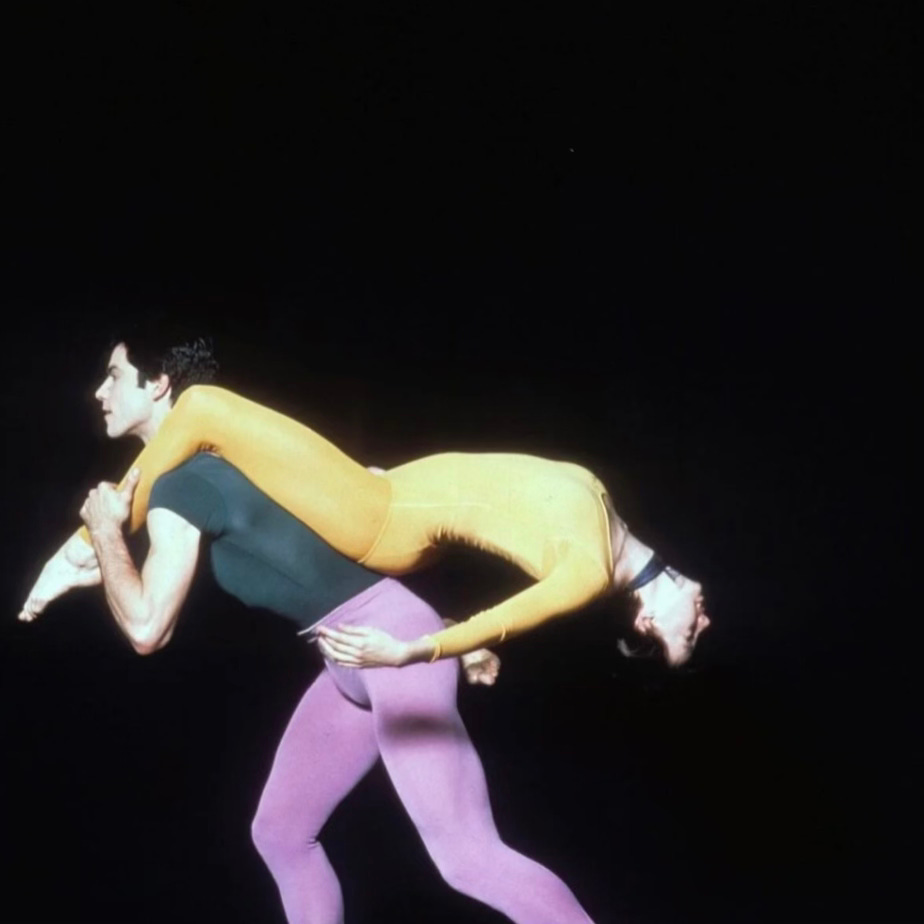
So while I was rehearsing, I just decided to pretend I was doing his role, even though I knew I wasn't. I flung myself into the air, not caring if maybe I was a count or so off.
How do you feel grief today?
I feel him in the studio. The right dance teacher makes you feel like the world is unfurling open to you. That being inside of a dance is like being on a wide open field, where anything is possible, and everything is free and sensual. Merce Cunningham technique looks very rigid and cold to most people. But Alan made me realize that Merce’s work is full of lucidity and spaciousness. Limbs unfurl and cantilever, the shapes create unexpected planes in space. There is an inner logic that the dancer must uncover inside the dance, a pearl nested inside of the positions that can only be reached through an unwavering commitment to the act of dancing itself. So I just keep dancing.
Has grief changed your being, your overall point of view?
In the final lines of my diary entry on the day Alan died, I wrote:
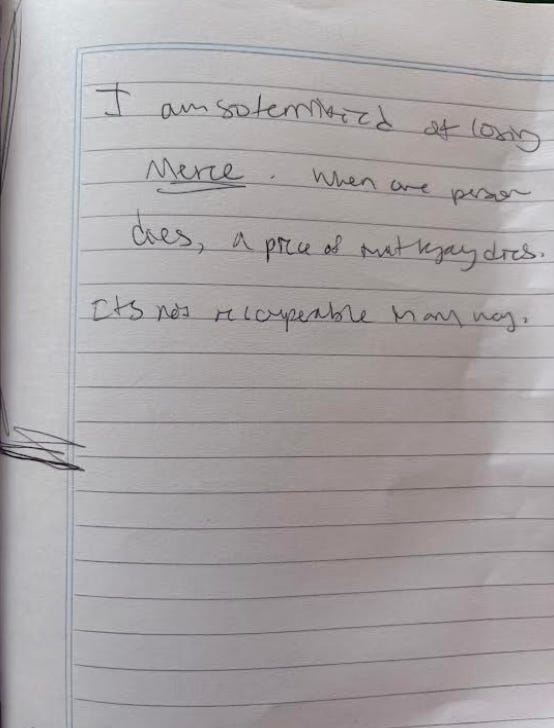
Translation: I am so terrified of losing Merce. When one person dies, a piece of the legacy dies. It’s not recouperable in many ways.
I realized that the depth of my grief had to do with the slow disintegration of the Merce Cunningham legacy. I hate to think that everything he knows, his body knows, is just gone. One more piece of Merce’s work is lost. Sure, his work lives through his students. But his students didn't dance in the 80s. We didn’t know Merce.
So sets in my panic about Merce’s work being diluted over time. I can’t accept this death like I accept other people’s death. Because I feel like there is some crucial information stored in this person, and now that he ceases to exist, so does this information. And I still don’t really know what to do with this part of the grief. So I keep studying and I keep learning. But I am not convinced I could give this legacy its due service, or that I am really the best steward of this information. I don’t feel like a talented enough dancer. It distresses me.
There is very, very, very little funding for Dance in the United States nowadays. This is not an era in which a choreographer would ever even have the possibility of realizing the kind of success Cunningham had. No choreographer in my generation will ever have the resources to devote their life to the development of a new dance technique and philosophy, develop a company around these ideas, and tour the world. It saddens me to think that we are getting farther and farther away from this possibility with each year that passes. Alan’s death signaled to me that moment in history is indeed drifting farther away. His loss marks a passing of time; that we are marching farther away from the era where people would spend all day training, creating,and showing dance around the world. When the study of dance was really deep and serious. I feel like Life is pushing me forward, and I am running backwards, desperate, clinging to the past.
Do you want to share something from your lost one? A song, a recipe, a saying, etc.
I can’t emphasize enough how endearing it was to see a dancer, towards the end of his life, giving his absolute all to teaching, despite his body struggling to keep up. It’s the most beautiful kind of dancing to watch. He has such a clear idea in his mind of what the choreography is, and even if he can’t execute it, he tries with all his might. Even if his body can’t recall the counts of the movements, his spirit knows them.
Alan used to always say “strike your foot like a match!” I loved that image!
I wanted to share some videos of him.
Alan teaching Merce Class in 2020 online. This is how I knew him:)
Alan dancing in "Beach Birds for Camera", 1993. He can be easily spotted as the male dancer in the color portion of the video.
Alan dancing in "Channels Inserts" , 1982. Choreographed by Merce, directed by Charles Atlas. He is the man in the grey top and leggings.
Alan dancing in “Stitch”, his own Choreography. Year and place unknown!
Alan originated roles in 37 new dances choreographed by Merce Cunningham, including most notably:
Exchange
Locale
Channels/Inserts
Trails
Roaratorio
Pictures
Doubles
Native Green,
Fabrications
Points in Space
Five Stone Wind,
August Pace
Beach Birds
Change of Address
Enter
CRWDSPCR.
Thank you so much for this opportunity to share my memory of Alan.